Affordable Medical Insurance a Lifeline for Many
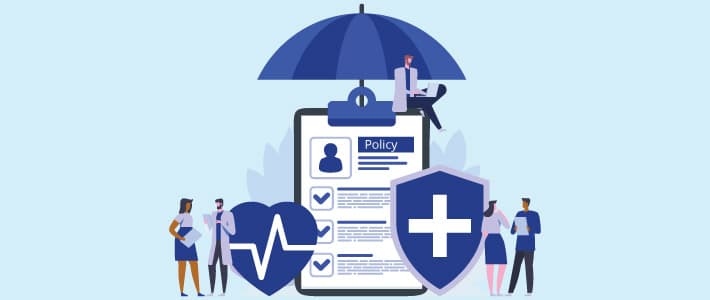
In today's world, access to quality healthcare is essential for leading a healthy and fulfilling life. However, the rising costs of medical treatments and services have left many individuals and families struggling to afford the care they need. This is where low-price medical insurance comes into play, serving as a lifeline for those who would otherwise find themselves burdened by exorbitant medical bills. In this article, we'll explore the significance of low-price medical insurance and how it can make healthcare more accessible to a wider population.
The High Cost of Healthcare
The soaring costs of healthcare in many countries have become a significant barrier to receiving necessary medical attention. Routine check-ups, emergency procedures, and prescription medications have all become increasingly expensive. For those without insurance, these costs can be overwhelming and even prohibitive, leading some individuals to forgo essential care, which can have severe consequences for their health.
Closing the Coverage Gap
Low-price medical insurance is designed to bridge the gap between the rising cost of healthcare and individuals' ability to pay for it out of pocket. By offering affordable premiums and reduced out-of-pocket expenses, these insurance plans make it possible for more people to access medical services when needed. This not only improves overall health outcomes but also reduces the financial stress that often accompanies medical emergencies.
Preventive Care
One of the key benefits of low-price medical insurance is its emphasis on preventive care. These insurance plans often cover essential preventive services, such as vaccinations, screenings, and annual check-ups, at little to no cost for policyholders. By promoting preventive care, insurers help individuals detect and address health issues before they become more severe and costly to treat, ultimately reducing the burden on both the individual and the healthcare system.
Financial Security
Medical emergencies can strike at any time, and when they do, they often bring significant financial burdens with them. Low-price medical insurance provides a safety net, ensuring that policyholders are not forced to choose between their health and their financial stability. Having insurance coverage means that individuals can seek medical attention without the fear of crippling medical bills, helping them maintain their economic security.
Tailored Coverage Options
Low-price medical insurance isn't one-size-fits-all. Many insurers offer a range of coverage options to meet the diverse needs of their policyholders. This means that individuals and families can choose plans that align with their specific healthcare needs and budget constraints. Whether it's a basic plan for young, healthy individuals or a comprehensive family plan, there are options available to suit various circumstances.
Accessibility for All
One of the primary goals of low-price medical insurance is to make healthcare accessible to all income levels. It helps level the playing field, ensuring that individuals from all walks of life can access the same quality of care. This inclusivity is vital for building healthier communities and reducing health disparities that disproportionately affect marginalized populations.
Promoting Preventive Health Habits
In addition to covering preventive services, low-price medical insurance often includes wellness programs and incentives to encourage policyholders to adopt healthy habits. These initiatives may include discounts on gym memberships, access to nutrition counseling, or even rewards for meeting certain health goals. By promoting a culture of health and wellness, insurers help their policyholders live healthier lives and reduce their long-term healthcare costs.
Conclusion
Low-price medical insurance is not just a financial product; it's a lifeline that ensures people can access the healthcare they need without facing insurmountable costs. In a world where healthcare expenses continue to rise, these insurance plans play a crucial role in promoting health, providing financial security, and reducing disparities in healthcare access. As individuals and families navigate the complexities of healthcare, low-price medical insurance can offer peace of mind and make a significant difference in their lives. It's an investment in both health and financial well-being, ultimately contributing to a healthier, more equitable society.